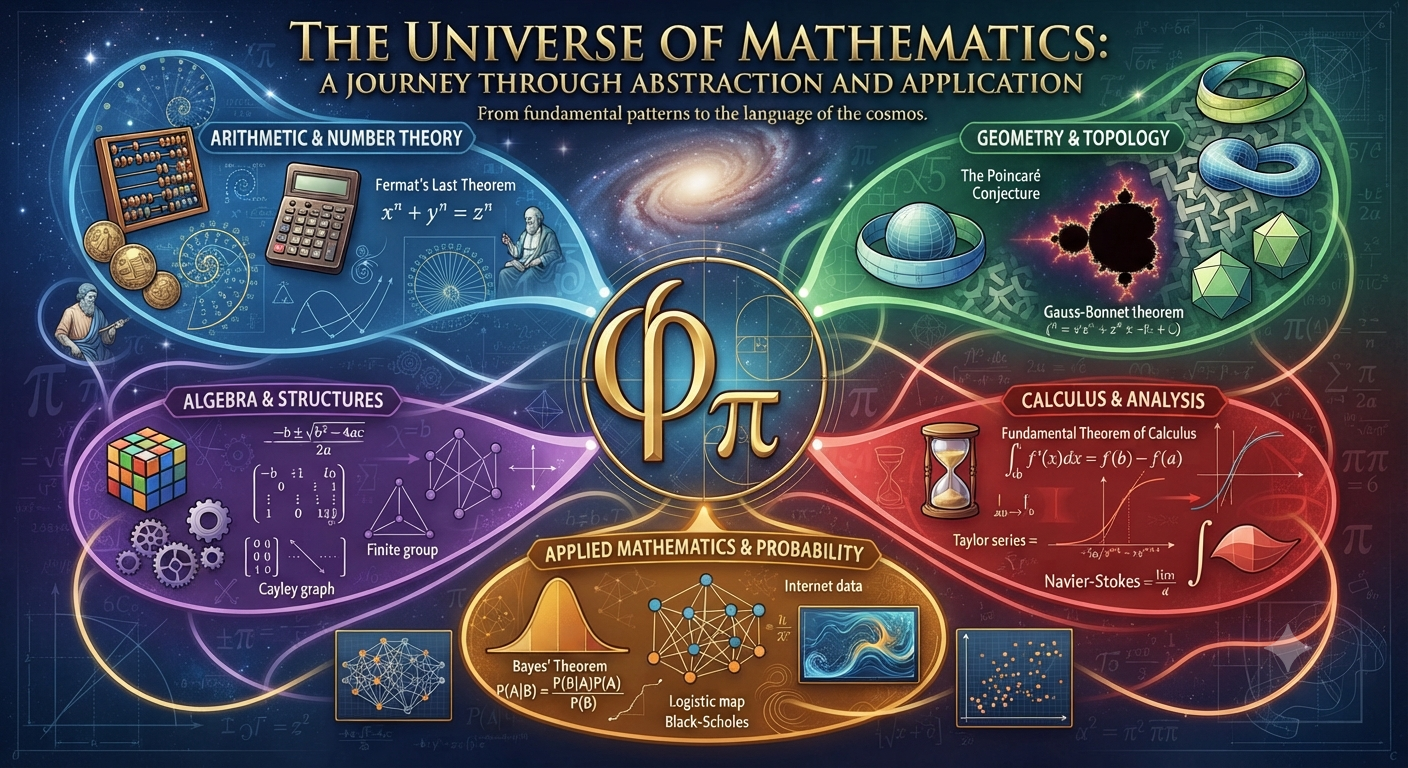
Beyond the Rows: Why the Future of Education is About Cultivating Genius, Not Memorization
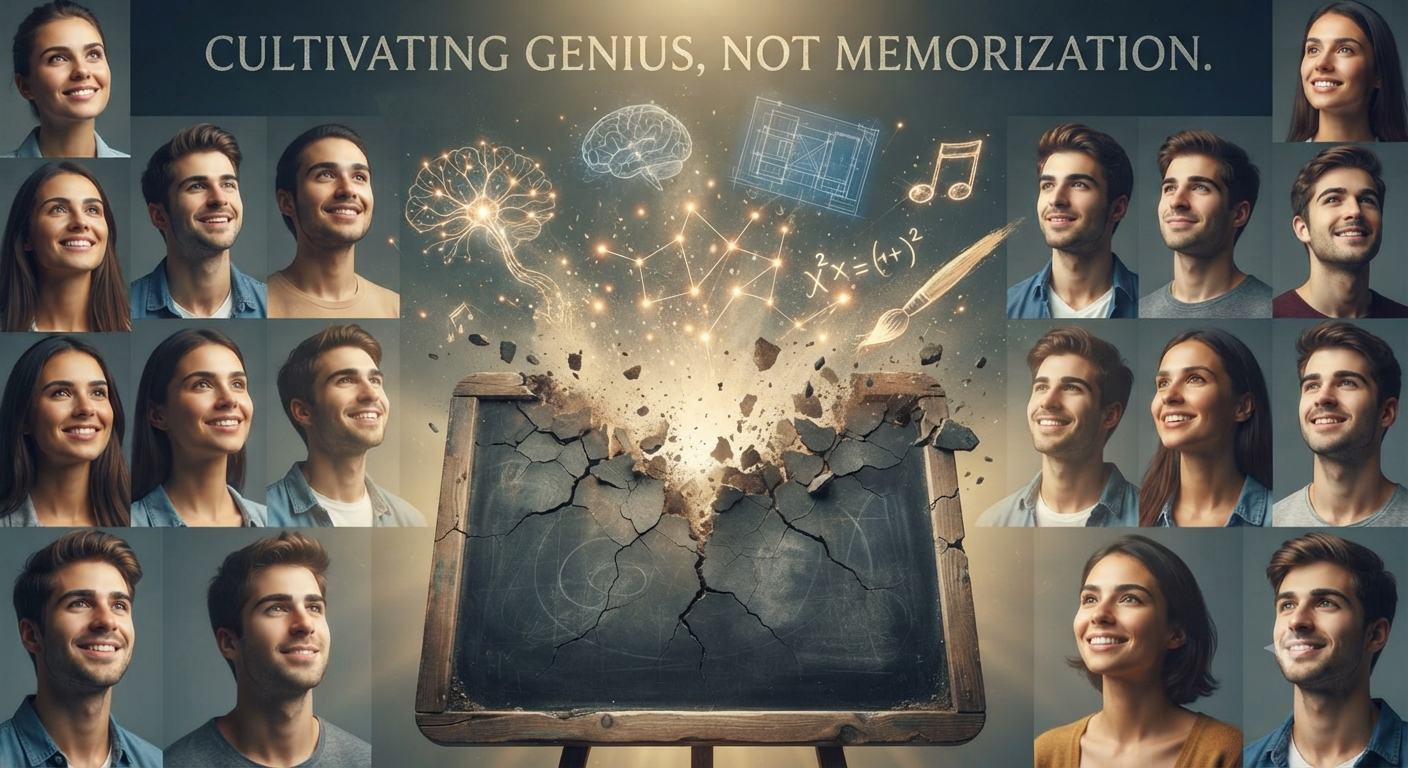
If you close your eyes and picture a classroom, what do you see? For most of us, the image is almost universal: a rectangular room, a chalkboard or whiteboard at the front, and rows of desks facing forward. A teacher stands at the helm, imparting wisdom, while students scribble notes, hoping to retain enough information to pass the test at the end of the week.
This model has been the bedrock of Western education for over a century. It was designed during the Industrial Revolution to produce a workforce that was punctual, obedient, and capable of following instructions. It was an assembly line for human capital. And for a long time, it worked.
But we are no longer living in the Industrial Age. We are living in the Information Age, transitioning rapidly into the Age of AI and Automation. In a world where a supercomputer fits in our pockets and artificial intelligence can write essays, solve complex math problems, and generate art in seconds, the old model of education isn’t just outdated—it is obsolete.
The future of education cannot be about the mere transfer of information. Information is now a commodity. The future of education must be about something far deeper, more human, and more dynamic.
The Problem with the “Factory Model”
To understand where we are going, we must first acknowledge why the current system is failing. Sir Ken Robinson famously stated that schools kill creativity. While harsh, this sentiment rings true for many.
The current system is built on standardization. It assumes that all children of the same age are developmentally identical and should learn the same things at the same speed. It prioritizes rote memorization over critical thinking and values standardized testing as the ultimate metric of success.
This creates a high-stakes environment of stress and anxiety. Students learn early on that there is one “right” answer, and that mistakes are failures rather than opportunities for learning. We are essentially training students to be excellent trivia players, rewarding them for memorizing facts that they can now Google in 0.2 seconds.
Furthermore, this system ignores the diversity of human talent. A student who is a brilliant artist or a gifted mechanic is often made to feel inadequate if they struggle with calculus or Shakespeare. We are trying to fit square pegs into round holes, and in the process, we are dimming the light of millions of curious minds.
From Memorization to Critical Thinking
The first pillar of the future of education is a shift in focus from what we learn to how we learn. In a world of misinformation, “fake news,” and algorithmic echo chambers, the ability to think critically is not just an academic skill—it is a survival skill.
Future education must prioritize:
-
Synthesis over recall: It doesn’t matter if you know the date of a historical event; it matters that you understand the context, the causes, and the implications.
-
Problem-solving: Students should be presented with complex, messy, real-world problems that have no single correct answer.
-
Media Literacy: Teaching students how to vet sources, identify bias, and construct logical arguments is paramount.
We need to stop asking students to simply consume information and start asking them to create, critique, and apply it.
The Rise of Personalized and Lifelong Learning
One of the most exciting prospects of modern education is the potential for true personalization. For decades, teachers have been asked to differentiate instruction for 30 different students, an impossible task in a 45-minute period.
Technology, specifically AI, offers a solution. Adaptive learning platforms can assess a student’s current level, identify their gaps in knowledge, and tailor the curriculum to their specific needs and pace. This doesn’t mean we replace teachers with screens; it means we free up teachers to act as mentors and facilitators rather than lecturers.
Furthermore, we need to kill the idea that education ends when you throw your graduation cap in the air. The concept of “learning” needs to be reframed as a lifelong pursuit. With the half-life of skills shrinking—meaning the amount of time it takes for a skill to become obsolete—adults will need to constantly upskill and reskill to remain relevant in the workforce. Education must become a subscription service for life, not a one-time transaction.
Social-Emotional Learning and Soft Skills
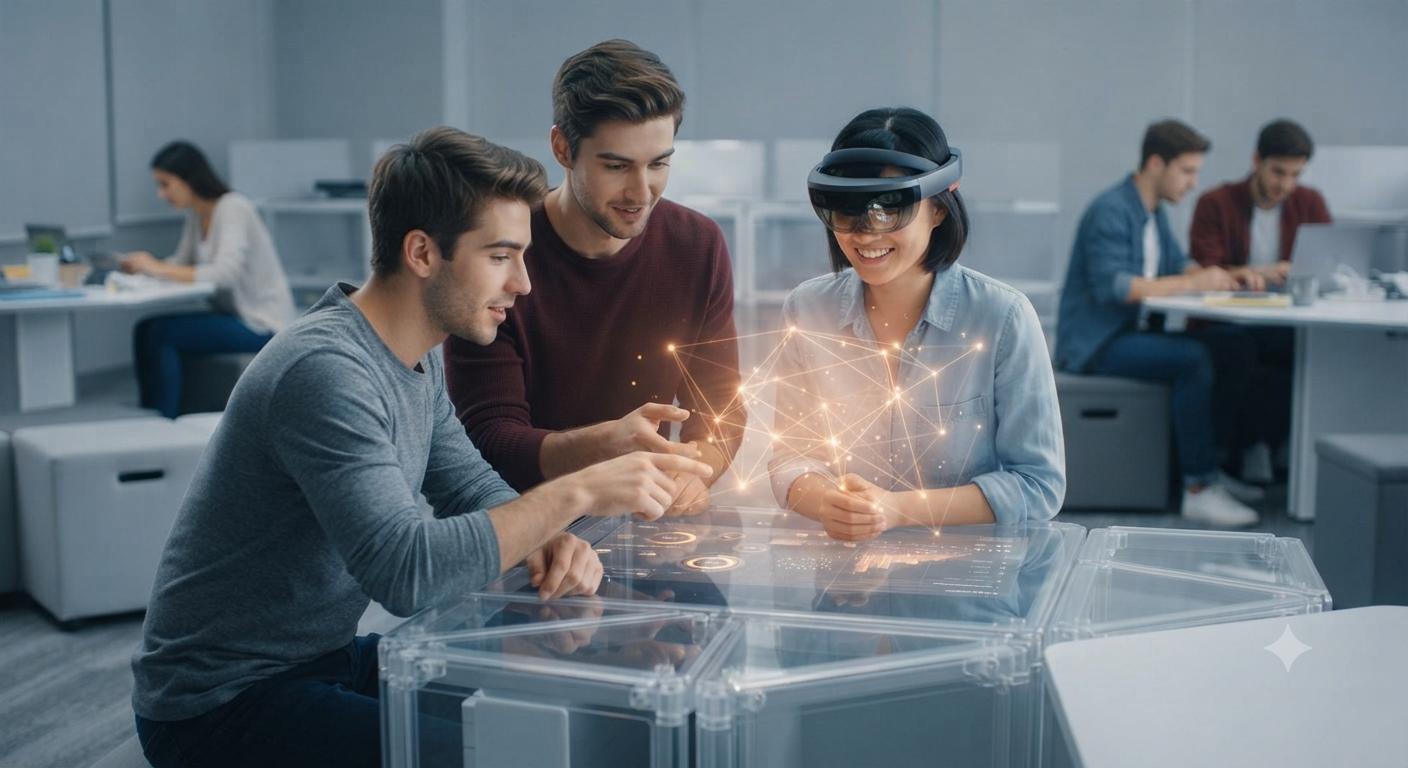
As AI takes over technical, repetitive, and analytical tasks, the “human” skills become more valuable than ever. The future of work is collaborative, creative, and interpersonal.
Education must therefore place a massive emphasis on Social-Emotional Learning (SEL). We need to teach empathy, resilience, emotional regulation, and conflict resolution. We need to foster collaboration over competition.
In the future, a student’s “EQ” (Emotional Quotient) might be just as important, if not more so, than their “IQ.” The ability to work in a team, to lead with compassion, and to navigate complex social dynamics are skills that cannot be automated by a robot.
The Role of the Teacher: The Guide on the Side
The role of the teacher will undergo a radical transformation. In the past, the teacher was the “sage on the stage,” the sole keeper of knowledge. In the future, the teacher will be the “guide on the side.”
With information accessible everywhere, the teacher’s job is to facilitate the learning process, to inspire curiosity, and to provide mentorship. They will be responsible for creating a safe, inclusive environment where students feel comfortable taking risks and failing forward.
Teachers will need to be experts in pedagogy and human connection, rather than just subject matter experts. They will need to curate resources, guide discussions, and help students navigate the moral and ethical implications of the technology they use.
The Physical Space: Redesigning the Classroom
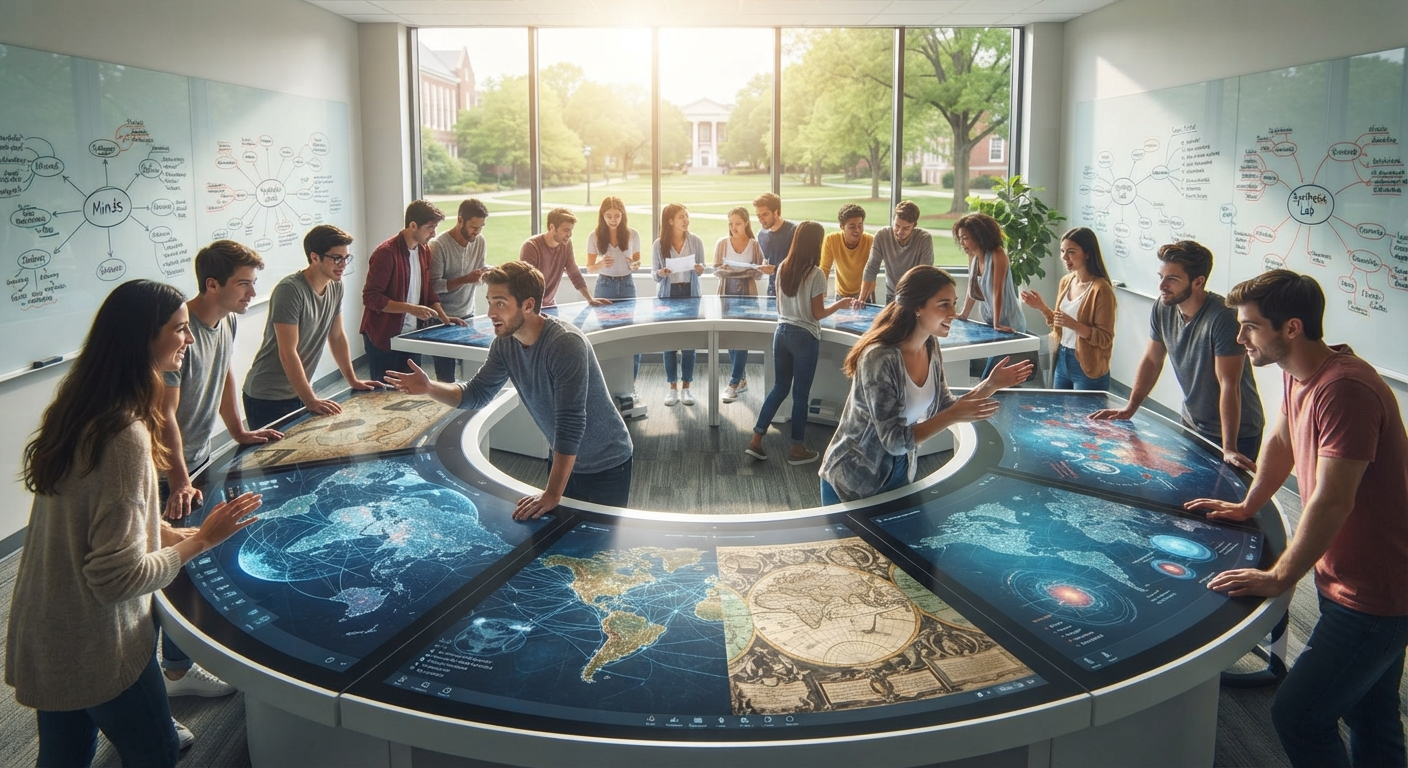
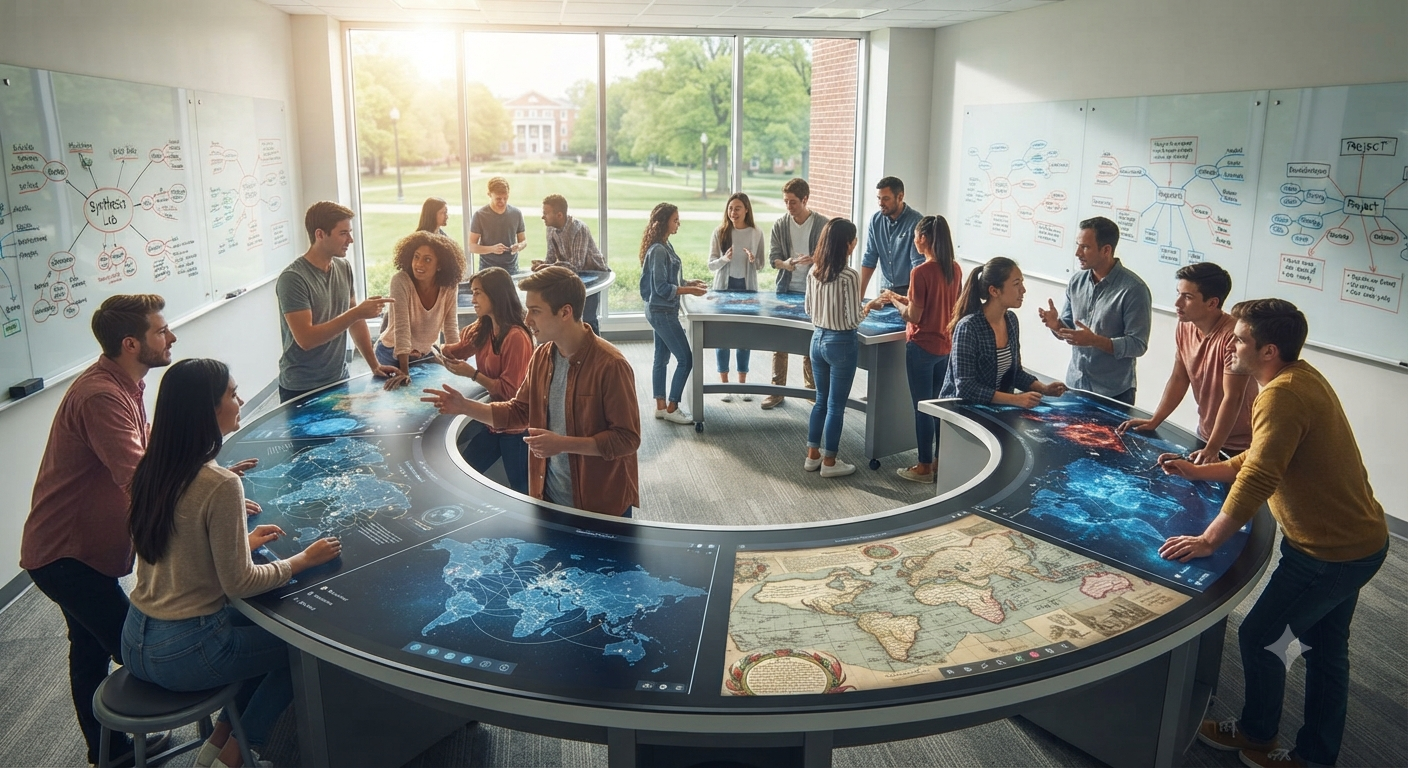
If the pedagogy changes, the environment must change to match. The rigid rows of desks must go. Future schools will look less like factories and more like innovation labs, studios, and collaborative workspaces.
We will see a move toward “blended learning” environments, where students move fluidly between independent digital work, small group projects, and large group discussions. The furniture will be flexible, the walls will be writable, and the boundaries between the classroom and the real world will blur through internships, field trips, and community projects.
Conclusion: A Revolution of Thought
The transformation of education is not merely about buying iPads for every student or updating the curriculum. It is a philosophical revolution. It requires us to redefine what success means.
For too long, we have measured success by grades and test scores. We need to start measuring success by the happiness, fulfillment, and holistic well-being of our students. We need to measure success by their ability to adapt, to create, and to solve the world’s most pressing problems.
The future of education is not about making students better at school; it is about making them better at life. It is about unlocking the unique potential that lies within every individual.
We have the tools and the knowledge to build this future. The only question is: do we have the courage to let go of the past and embrace it? The future of our children—and our society—depends on the answer.
Login with